Research impacts
How NUAA research changes aerospace, aviation, engineering and intelligent technologies — newest first.
11 stories · page 1 of 1
Oct 22, 2026
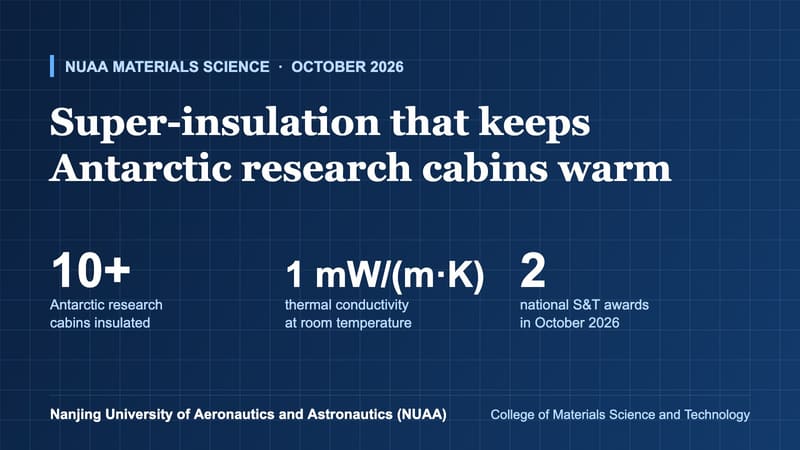
Super-insulation composite protects Antarctic research cabins
An NUAA vacuum-state super-insulation composite insulates 10+ Antarctic research cabins, including at Kunlun Station, and won national awards in 2026.
Oct 13, 2026
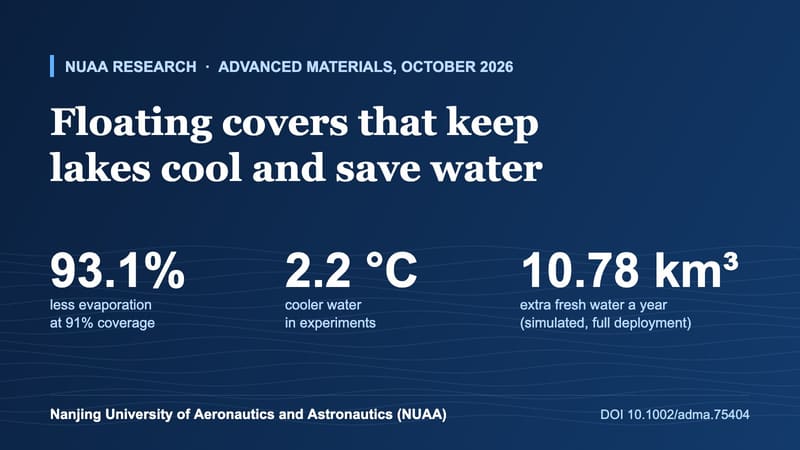
Floating covers that cool lakes and cut evaporation by 93%
NUAA's radiative cooling floating covers kept water 2.2 °C cooler and cut evaporation by 93.1% at 91% coverage, Advanced Materials reports.
Sep 26, 2026
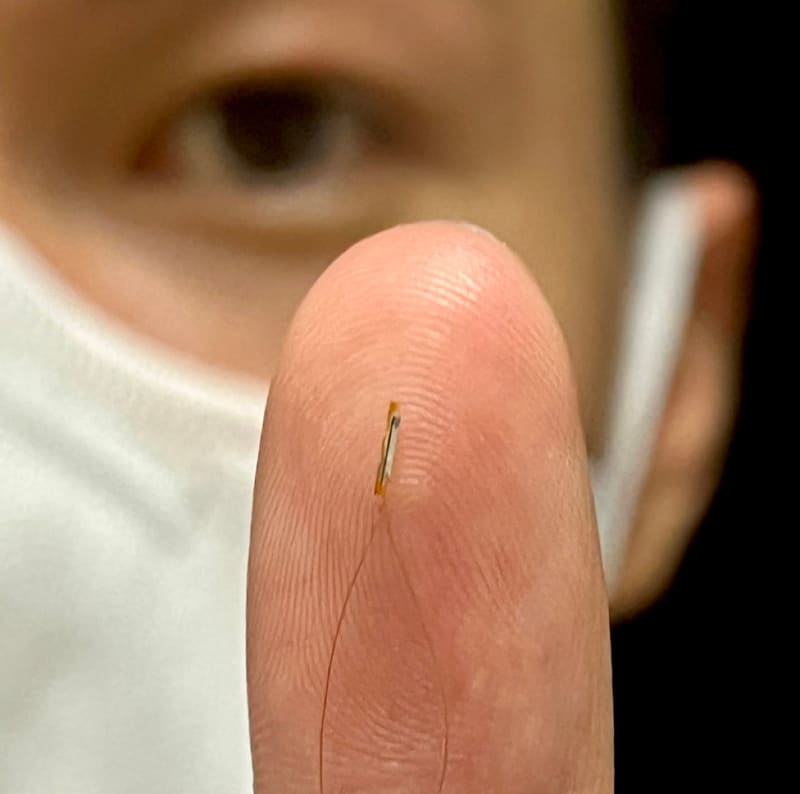
A tiny motor for clearer imaging inside brain arteries
An NUAA-developed ultrasonic motor about 4 mm long spins an imaging probe from the catheter tip, aiming for clearer imaging inside brain vessels.

Sep 10, 2026
NUAA researchers propose new approach to tackling food-related water scarcity
A research team from Nanjing University of Aeronautics and Astronautics (NUAA) has proposed an integrated basin-city management framework for the “virtual water” embedded in food production and trade. Published in PNAS, the study shows that managing river basins and cities separately can create new imbalances, and that a combined approach can better balance water resources across both.
Jul 31, 2026
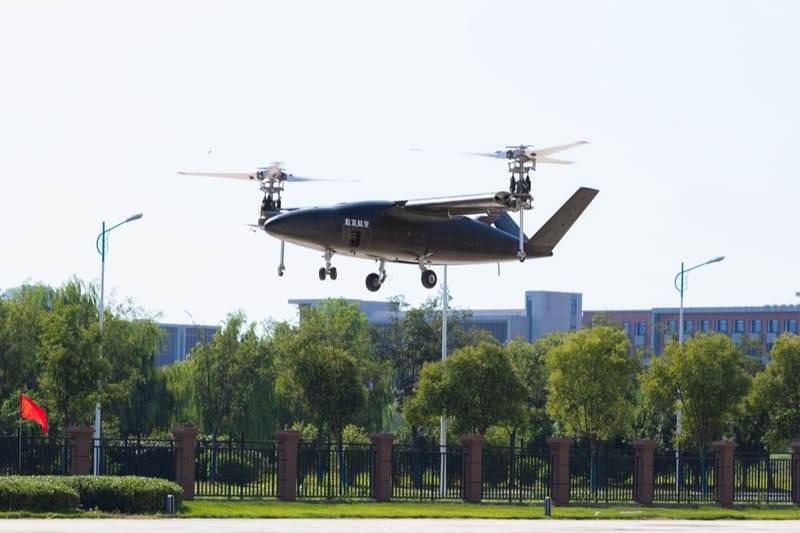
Qizhi-5: from helicopter lab to first flight
A 1.5-tonne-class tilt-rotor drone from an NUAA spin-off led by Professor Zhao Qijun completed its first fully autonomous flight in August 2026.
Jul 9, 2026
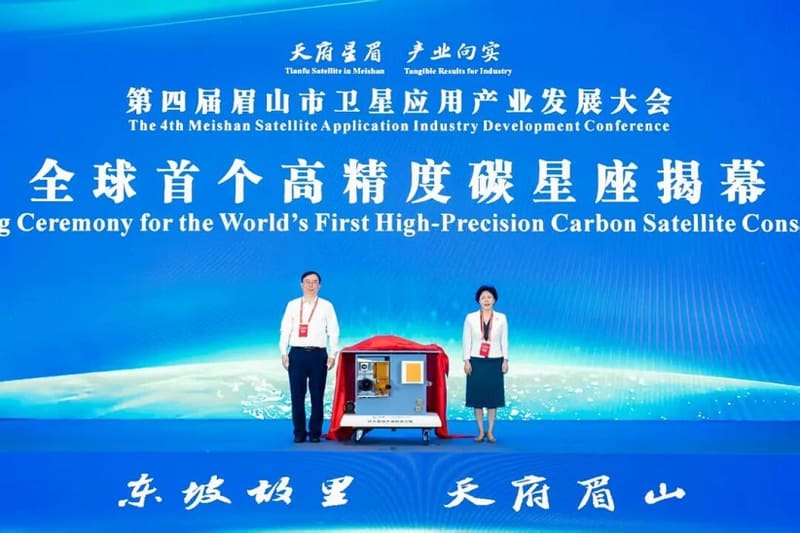
NUAA launches world's first high-precision carbon monitoring satellite constellation
Nanjing University of Aeronautics and Astronautics (NUAA), in partnership with Huantian Wisdom, has launched the Tianjian Constellation, billed as the world’s first high-precision carbon monitoring satellite constellation. The first satellite, Tianjian-1, is scheduled for launch in October, and the full 12-satellite constellation is expected to be completed by 2029.
Jun 15, 2026
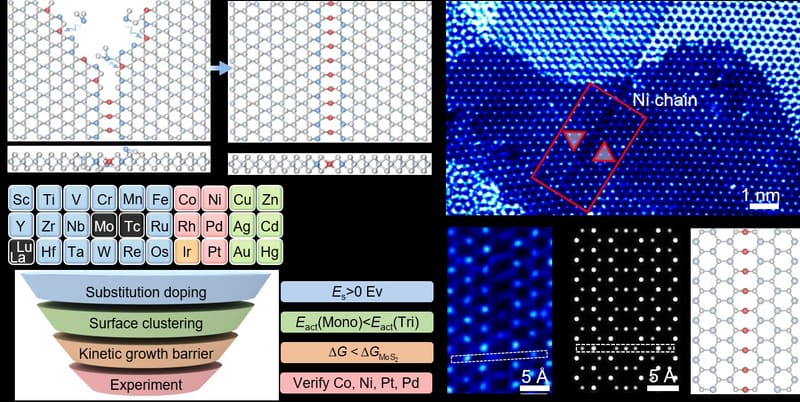
NUAA, NTU Researchers Achieve Breakthrough in Single-Metal-Atom Chain Fabrication
A research team from Nanjing University of Aeronautics and Astronautics (NUAA), led by Academician Guo Wanlin, Professor Zhang Zhuhua and Associate Researcher Qiao Ruixi, in collaboration with Professor Liu Zheng of Nanyang Technological University (NTU), has achieved a breakthrough in fabricating single-metal-atom chains. The findings were published in Nature Communications.
May 27, 2026
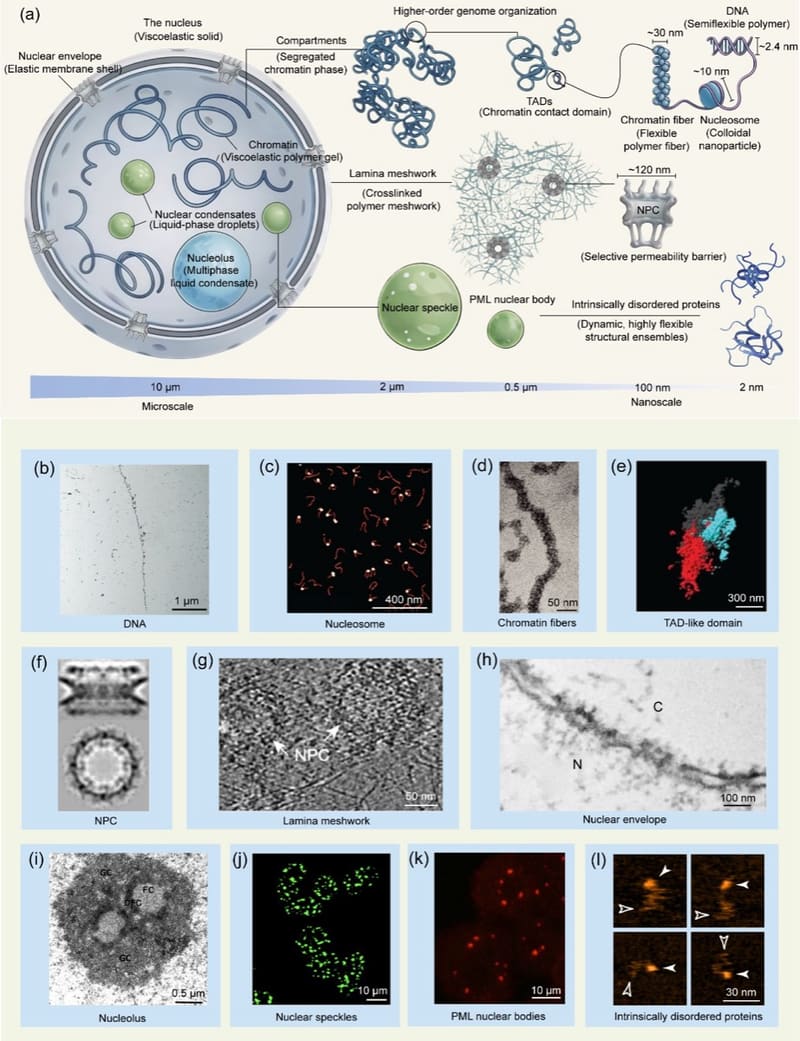
An undergraduate co-first author in Advanced Science
Through a national undergraduate research programme, third-year aerospace student Liu Xinran co-led a review on the mechanics of the cell nucleus in Advanced Science.
Mar 19, 2026
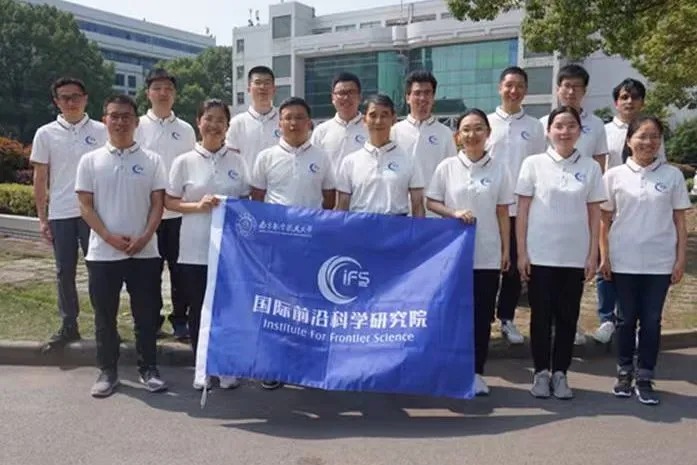
NUAA Researchers Develop Novel Sliding Ferroelectric Transistor for Low-Power AI Chips
A research team led by Academician Guo Wanlin and Professor Liu Yanpeng from Nanjing University of Aeronautics and Astronautics (NUAA) has engineered a new graphene/hexagonal boron nitride sliding ferroelectric transistor. Published in Nature Electronics, the device offers a promising solution for next-generation low-power, highly integrated AI hardware.
Jan 22, 2026
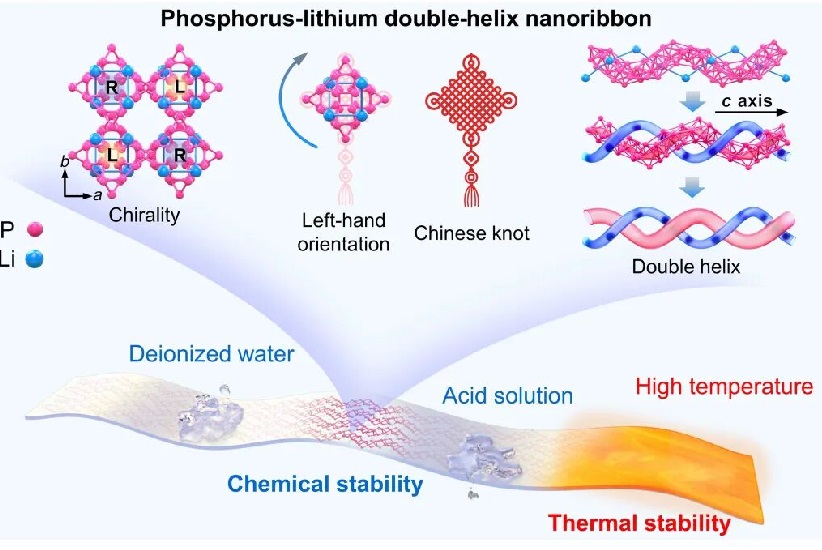
NUAA-Led Team Develops Phosphorus-Lithium Double-Helix Nanoribbons, Paving the Way for Advanced Material Applications
A research team from Nanjing University of Aeronautics and Astronautics (NUAA), led by Guo Wanlin and Tai Guoan and working with Associate Professor Naoji Matsuhisa’s team at the University of Tokyo, has introduced a new material called “phosphorus-lithium double-helix nanoribbons.” Published in Science Advances, the material addresses the fragility of low-dimensional phosphorus materials and opens the way to applications in biomedical engineering and quantum technologies.
Apr 10, 2025
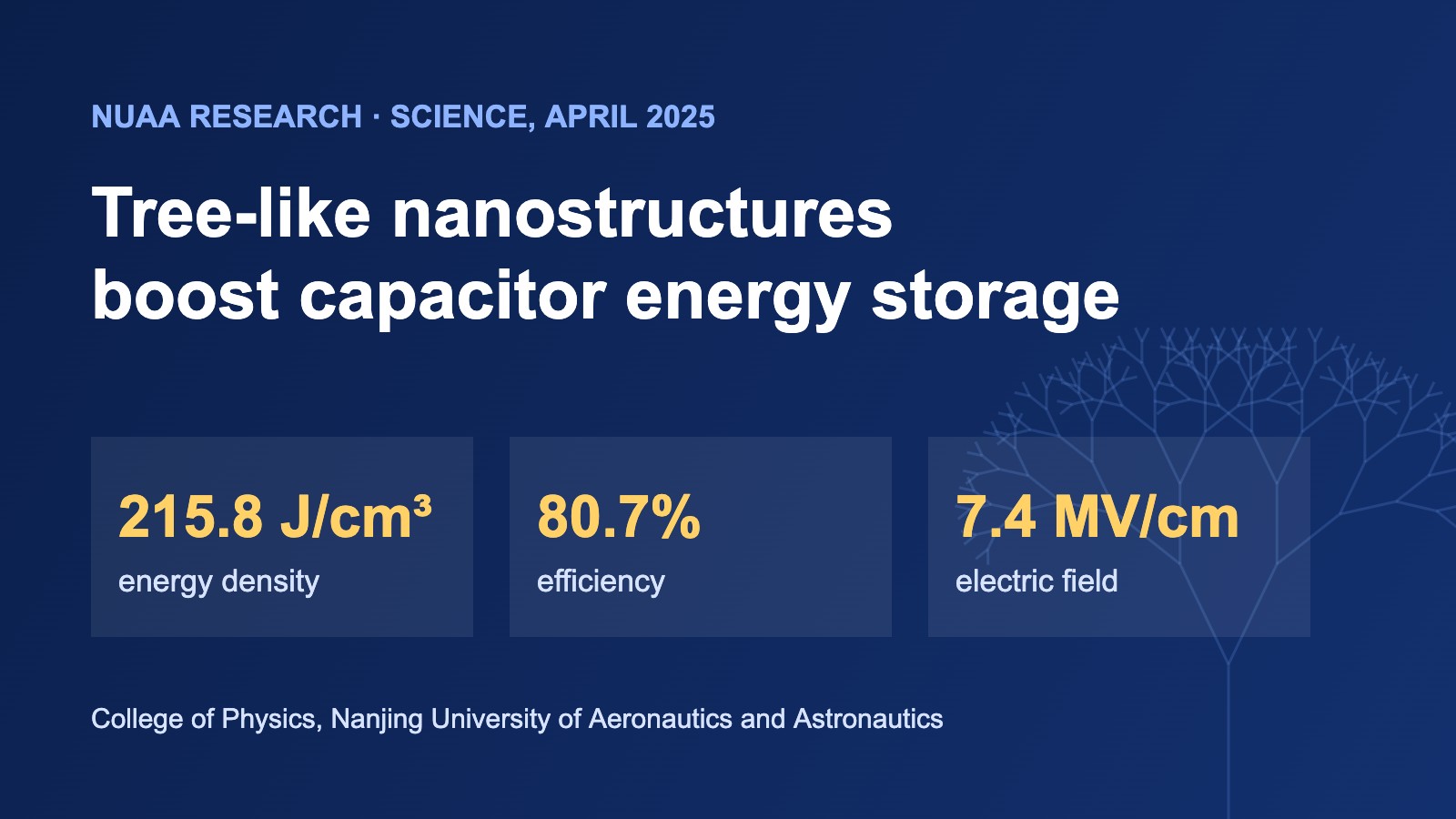
Tree-like nanostructures boost capacitor energy storage
NUAA physicists designed self-assembled, tree-like nanoscale regions that let a thin-film capacitor store 215.8 J/cm³ at 80.7% efficiency, published in Science.