Research at NUAA
Discover how NUAA advances aerospace, aviation, engineering and intelligent technologies through research, and real-world innovation.
Find my supervisor10K+
Research publication
12B ¥
Research funding
50+
Labs
1,500+
Active projects

Sep 10, 2026
NUAA researchers propose new approach to tackling food-related water scarcity
Jul 9, 2026
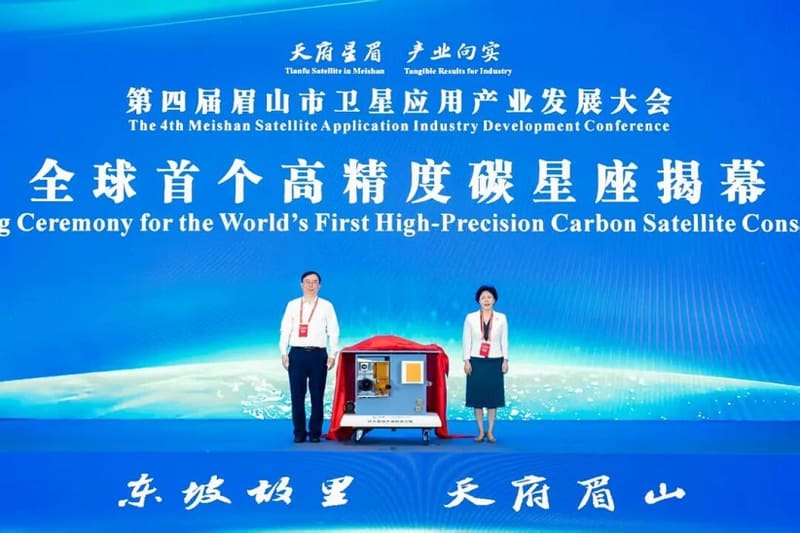
NUAA launches world's first high-precision carbon monitoring satellite constellation
Research impacts
Jun 16, 2026
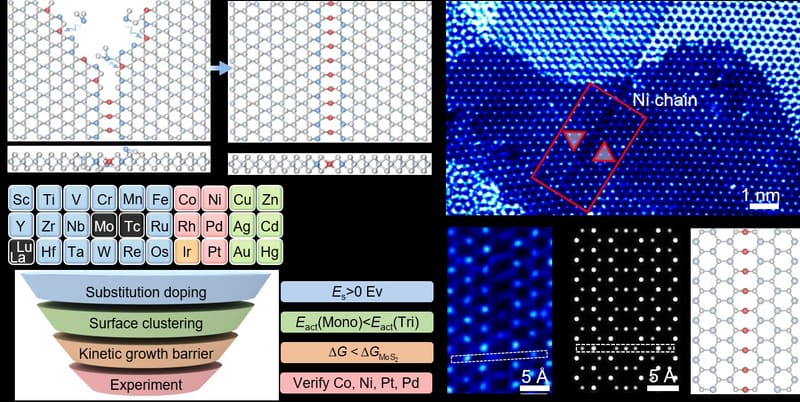
NUAA, NTU Researchers Achieve Breakthrough in Single-Metal-Atom Chain Fabrication
A research team from Nanjing University of Aeronautics and Astronautics (NUAA), led by Academician Guo Wanlin, Professor Zhang Zhuhua and Associate Researcher Qiao Ruixi, in collaboration with Professor Liu Zheng of Nanyang Technological University (NTU), has achieved a breakthrough in fabricating single-metal-atom chains. The findings were published in Nature Communications.
Mar 20, 2026
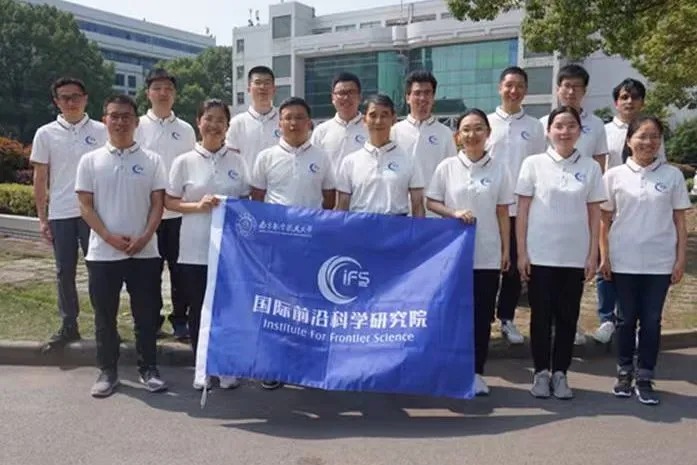
NUAA Researchers Develop Novel Sliding Ferroelectric Transistor for Low-Power AI Chips
A research team led by Academician Guo Wanlin and Professor Liu Yanpeng from Nanjing University of Aeronautics and Astronautics (NUAA) has engineered a new graphene/hexagonal boron nitride sliding ferroelectric transistor. Published in Nature Electronics, the device offers a promising solution for next-generation low-power, highly integrated AI hardware.
Jan 23, 2026
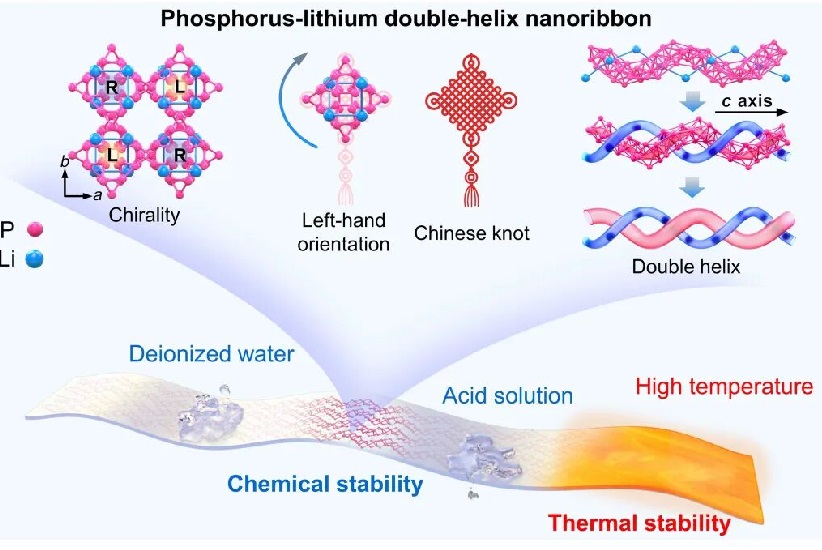
NUAA-Led Team Develops Phosphorus-Lithium Double-Helix Nanoribbons, Paving the Way for Advanced Material Applications
A research team from Nanjing University of Aeronautics and Astronautics (NUAA), led by Guo Wanlin and Tai Guoan and working with Associate Professor Naoji Matsuhisa’s team at the University of Tokyo, has introduced a new material called “phosphorus-lithium double-helix nanoribbons.” Published in Science Advances, the material addresses the fragility of low-dimensional phosphorus materials and opens the way to applications in biomedical engineering and quantum technologies.
Researchers
Meet the faculty leading research groups across aerospace, machine learning, and robotics
Bai Yingbin
Professor
Research Area
Listed by NUAA as a prospective Master's supervisor in Computer Science and Technology.
Bao Hengmiao
Associate Professor
Research Area
Listed by NUAA as a prospective Master's supervisor in Applied Economics.
Bao Yidong
Associate Professor
Research Area
Listed by NUAA as a prospective Master's supervisor in Mechanical Engineering, Aeronautical and Astronautical Science and Technology.
Cai Jingwen
Lecturer
Research Area
Listed by NUAA as a prospective Master's supervisor in Enterprise Management.
Cai Wenwu
Associate Research Fellow
Research Area
Listed by NUAA as a prospective Master's supervisor in Accounting.
Chen Feida
Associate Research Fellow
Research Area
Listed by NUAA as a prospective Master's supervisor in Nuclear Science and Technology.